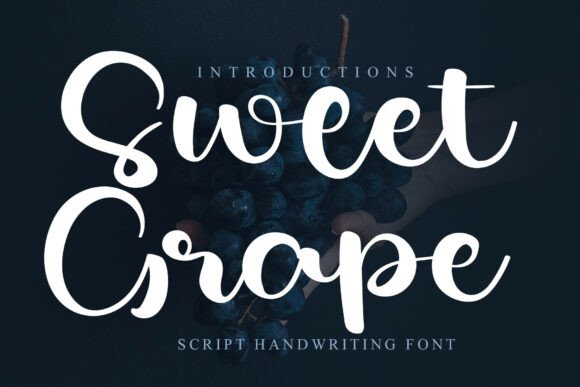
Sweet Grape: A Modern Script Font for Web Design
Sweet Grape is a stylish and modern handwritten font that brings a distinct personality to digital interfaces, making it an essential addition to any designer’s library of Fonts. As web designers and UI creators, we constantly search for typefaces that balance aesthetic appeal with functional clarity, and this Script Handwritten typeface offers a unique solution for projects requiring a human touch. Whether you are crafting a landing page for a boutique brand or designing social media graphics, the organic flow of Sweet Grape can transform static layouts into engaging visual experiences that resonate with users on an emotional level.
Enhancing Visual Hierarchy in Hero Sections and Landing Pages
When integrating Sweet Grape into high-impact areas like hero sections, it serves as a powerful tool for establishing immediate visual hierarchy. This Script Handwritten style stands out against clean, minimalist backgrounds, drawing the user’s eye to the primary message without overwhelming the layout. For digital product creators, using this font for short, punchy headlines ensures that the core value proposition is communicated with warmth and authenticity. Unlike rigid geometric sans serif fonts, Sweet Grape introduces a rhythmic variation in stroke width that mimics natural handwriting, creating a sense of movement and energy. This dynamic quality helps break the monotony of standard web typography, encouraging visitors to scroll further and engage with the content. However, it is crucial to limit its use to large display sizes in these contexts to maintain legibility and ensure the Fonts render crisply across various screen resolutions.
Optimizing Readability for Mobile Screens and Responsive Layouts
While Sweet Grape excels in desktop environments, applying it effectively in responsive web design requires careful consideration of scale and spacing. On smaller mobile screens, intricate details in Script Handwritten typefaces can sometimes blur or become difficult to decipher if the font size is too small. To mitigate this, web designers should increase line height and letter spacing when using Sweet Grape for subheadings or pull quotes on mobile devices. This adjustment preserves the font’s elegant character while ensuring that the text remains accessible to all users. Furthermore, testing the font against different background contrasts is essential; Sweet Grape performs best on solid, light backgrounds or dark overlays where the stroke contrast is maximized. By prioritizing readability alongside aesthetics, you ensure that the happiness touch promised by the font translates into a seamless user experience rather than a visual obstacle.
Building Brand Identity for Online Stores and Digital Products
For online store owners and SaaS founders, Sweet Grape offers a versatile way to inject personality into branding elements without sacrificing professionalism. This Script Handwritten font is particularly effective for packaging design previews, product labels, and promotional banners where a handmade, artisanal feel is desired. When used in digital ads or email headers, Sweet Grape creates an immediate emotional connection, suggesting care and attention to detail that resonates with consumers. It is ideal for brands in the lifestyle, beauty, food, and creative industries that want to differentiate themselves from competitors using generic corporate typography. By incorporating Sweet Grape into your brand kit, you establish a consistent visual voice that feels approachable and trustworthy. This consistency across touchpoints—from the website header to the checkout confirmation page—reinforces brand recognition and fosters loyalty among your audience.
Strategic Font Pairing with Sans Serif and Serif Typefaces
To maximize the impact of Sweet Grape, strategic font pairing is essential for maintaining balance and clarity in web design. Since Sweet Grape is a decorative Script Handwritten font, it pairs exceptionally well with neutral sans serif fonts for body copy and navigation menus. This combination allows the headline to shine as a focal point while ensuring that lengthy paragraphs remain easy to read. Alternatively, pairing Sweet Grape with a classic serif font can create a sophisticated, editorial look suitable for blogs, magazines, or high-end portfolio sites. The key is to choose a secondary font that complements rather than competes with the organic curves of Sweet Grape. Avoid pairing it with other script or highly stylized fonts, as this can create visual clutter and confuse the reader. By anchoring the expressive nature of Sweet Grape with stable, structured typefaces, you create a harmonious typographic system that supports both aesthetic goals and usability standards.
Leveraging Sweet Grape for Conversion-Focused Call-to-Action Elements
In conversion-focused layouts, Sweet Grape can be used sparingly to highlight key calls-to-action or limited-time offers, adding a sense of urgency and exclusivity. While it is not suitable for button text due to potential readability issues at small sizes, it works wonderfully for accompanying text above or below CTA buttons. For instance, using Sweet Grape for phrases like "Handcrafted for You" or "Limited Edition" next to a standard button can increase click-through rates by appealing to the user’s desire for unique, personalized experiences. This approach leverages the emotional weight of Script Handwritten typography to enhance the perceived value of the offer. Digital marketers and landing page designers should experiment with placing Sweet Grape in testimonial sections or trust badges, where its authentic feel can help build credibility and reduce buyer hesitation. The goal is to use the font as a subtle accent that guides the user’s journey without distracting from the primary action.
Ensuring Commercial Licensing Compliance for Client Projects
Before deploying Sweet Grape in client websites or commercial digital products, it is vital to verify the licensing terms associated with the font. As a premium asset, Sweet Grape typically requires a specific commercial license for use in web fonts, mobile apps, and online advertising campaigns. Web designers must ensure that they have the appropriate rights to embed the font files via CSS or use them in generated images for social media and email marketing. Understanding the scope of the license protects both the designer and the client from legal issues and ensures ethical use of creative assets. Additionally, checking for included styles, alternates, and multilingual support can expand the font’s utility in global projects. By treating font licensing as a critical part of the project workflow, you demonstrate professionalism and respect for intellectual property, which is essential for maintaining long-term client relationships and a reputable design practice.